What Makes a Front Door Energy Efficient? 7 Things Delaware Homeowners Should Check
Is your front door wasting energy? Discover 7 things Delaware homeowners should check to improve insulation, reduce drafts, and keep their homes comfortable year-round.
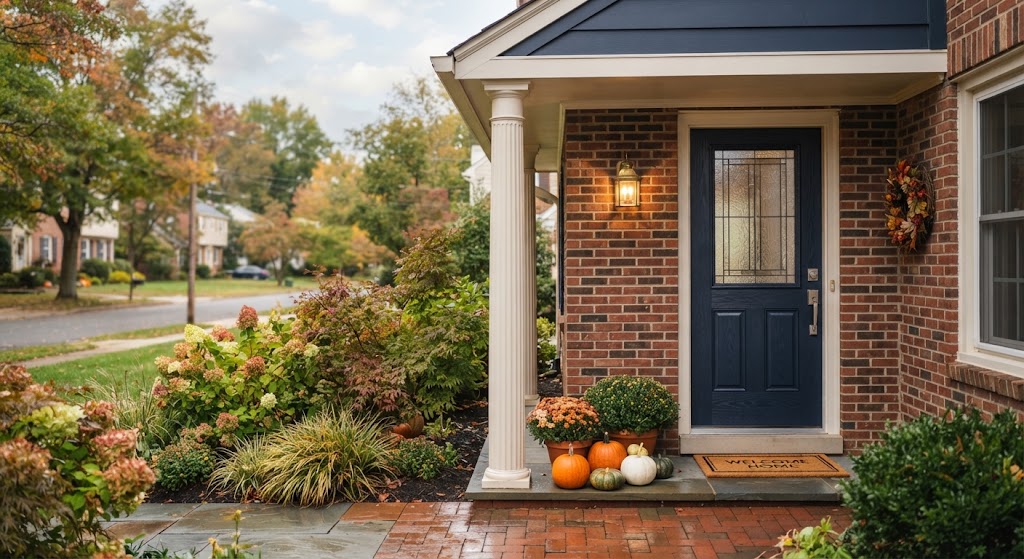
When homeowners think about saving on heating and cooling bills, their minds usually go straight to attic insulation, double-paned windows, or a high-efficiency HVAC system. But there is one major energy leak that often gets overlooked: your front door.
In a state like Delaware—where you experience everything from humid, sticky summers to brisk, chilly winters—a drafty front door can force your HVAC system to work overtime, driving up your monthly utility bills.
So, what actually makes a front door energy efficient? If you want to keep your home comfortable year-round, here are 7 crucial things Delaware homeowners should check right now.
1. Check the Material (Insulation Value Matters)
The core material of your front door plays the biggest role in thermal performance. Traditional solid wood doors may look charming, but wood expands and contracts with moisture and temperature changes, which can warp the door and let drafts in.
-
Best choices: Fiberglass and steel doors with an insulating polyurethane foam core. Fiberglass is especially great for Delaware’s coastal humidity because it won't rot, warp, or rust, and it offers fantastic thermal resistance.
2. Inspect the Weatherstripping
Weatherstripping forms the tight seal between your door and its frame when closed. Over time, foam or vinyl weatherstripping can flatten, crack, or peel away.
-
What to do: Open your door and run your hand along the edges of the frame. Do you feel a draft? If the weatherstripping looks worn out or brittle, replacing it is a quick, inexpensive DIY fix that instantly stops air leaks.
3. Look at the Door Sweep
The threshold at the bottom of your door takes a constant beating from foot traffic, luggage, and weather. The door sweep—the rubber or plastic strip attached to the bottom edge of the door—prevents outdoor air from sneaking underneath.
-
What to do: Stand inside on a sunny day and look down at the bottom of your closed door. If you see daylight streaming through, your door sweep is either worn out or needs to be adjusted.
4. Evaluate the Glass (If Your Door Has Panes)
Many front doors feature decorative glass inserts or sidelights. While they add wonderful natural light to your entryway, glass is a poor insulator compared to solid core materials.
-
What to do: Ensure your glass inserts feature double- or triple-paned glass, Low-E (low-emissivity) coatings, and argon gas fills. These features reflect heat back outside during the summer and trap indoor heat during Delaware winters.
5. Check ENERGY STAR® Certification
Shopping for a new door? Don't guess about its efficiency—look for the label.
-
The Standard: ENERGY STAR® certified doors are independently tested and verified to meet strict energy-efficiency performance guidelines set by the EPA. Choosing a certified door ensures it is optimized for regional climate zones, helping you save energy regardless of Delaware's shifting weather.
6. Verify Proper Installation and Alignment
Even the most expensive, highly insulated door will leak energy if it isn’t installed correctly. If a door is hung even slightly out of square, gaps will form between the slab and the frame.
-
What to do: Check if your door latches smoothly without requiring a push, pull, or lift. If the door sticks, sags, or shows uneven gaps around the edges, professional re-alignment or expert installation is necessary.
7. Look Closely at the Threshold and Sill
The threshold (the metal or wooden plate on the floor right underneath the door) works hand-in-hand with the door sweep to block out air, moisture, and pests.
-
What to do: Check for cracks, rust, or gaps where the threshold meets the bottom of the door frame. Many modern thresholds feature adjustable screws that allow you to raise or lower the platform to ensure a snug, airtight seal against the bottom sweep.
Final Thoughts: Is It Time for an Upgrade?
Your front door is the welcoming face of your home, but it also plays an important role in keeping your home comfortable throughout the year. If you've checked these seven areas and found drafts, damaged weatherstripping, uneven gaps, or an outdated door, it may be time to consider an upgrade.
A properly insulated and professionally installed entry door can help reduce air leakage, improve comfort, and give your home's exterior a fresh new look.
Planning an entryway upgrade in Delaware? Explore Troy Granite's premium door options or visit our Newark showroom to find an entry door that combines security, style, durability, and energy efficiency.